

Summer is arriving and with it comes the many long evenings, summer holidays and generally more time spent being able to get outdoors. As we wave goodbye to the winter and the many coughs and colds that come with it, there are other things that our bodies may have to contend with in the summer.
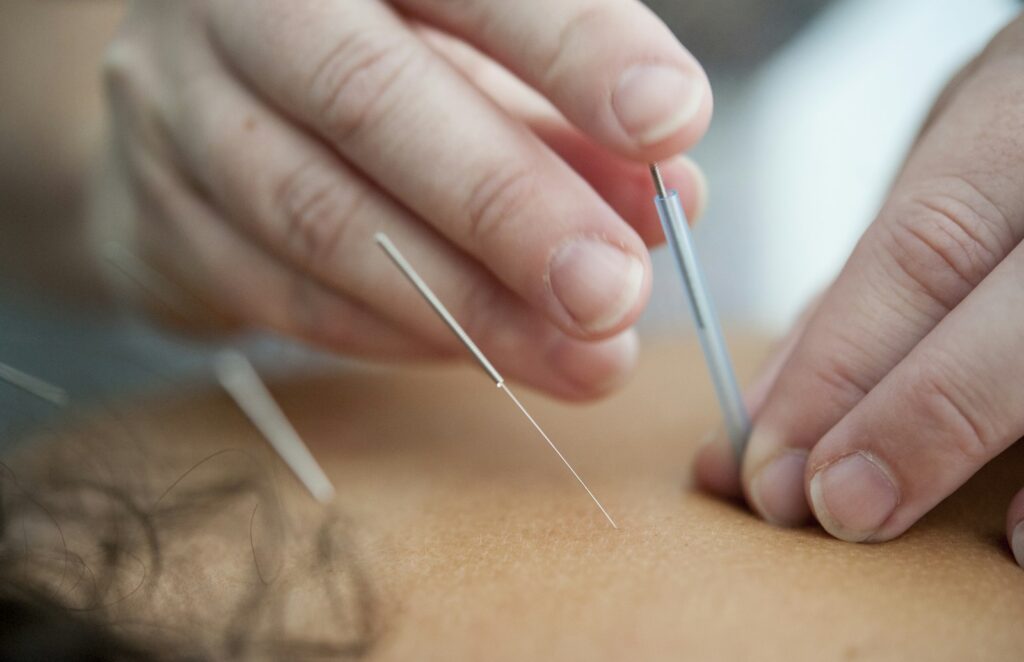
Acupuncture is a form of medicine that goes back thousands of years to ancient China, and it is preferable to many people as they don’t want to use medication. You must always go to a qualified acupuncturist like this acupuncture Tewkesbury based clinic //www.purelandsacu.co.uk/acupuncture-tewkesbury Here are some of the summer ailments that acupuncture can help you with…
Hay fever – Many people suffer from hay fever throughout the spring and the summer months. It is caused by an immune response to pollen in the air which makes it difficult to spend time outdoors. Acupuncture can help to calm this allergic response down so you can enjoy the good weather.
Insect Bites and Stings – The warm weather brings all the biting insects out – from mosquitos to horse flies, as well as the stinging insects like wasps. Some people can have bad reactions to this however acupuncture can help to bring down itching and swelling caused by insect’s bites and stings.
Food Poisoning – In the warmer months food poisoning becomes more common as food left out can easily harbour bacteria and it can be harder to keep it cool. Acupuncture can help to build your body back up once you are getting over food poisoning.
Understanding hay fever
Hay fever is one of the most common complaints of the warmer months. Its medical name is allergic rhinitis, which simply means inflammation of the nose caused by an allergic reaction to airborne allergens. Pollen from grass, plants and trees is the usual trigger, but dust mites can cause the same reaction, which is why some people have symptoms all year round.
When the body reacts to these allergens, the result is a physical response. Typical symptoms include sneezing, itching, a runny nose and watering eyes, and some people also get skin irritation or hives.
Hay fever can sometimes be a sign of an underlying allergic condition, so it is worth keeping an eye on how your symptoms change over time. If they are troubling you, speak to your GP. An examination is the best way to get an accurate diagnosis, which makes it easier to choose the right treatment and combine it with any complementary approaches.