

This page describes the job of a full Steering Rack Rebuild. It is an alternative to purchasing a new rack and can save a large amount of money whilst still achieving the same standards of precise and reliable steering.
Strip-Down and Inspection
When taking apart the steering rack all the parts are inspected for wear and tear. The rack teeth, rack bar, as well as the inside of the housing for any cracks or wear are inspected. In some cases some of the parts can be worn to the point where they cannot be used for a rebuild and must be replaced with new ones.
Seal and Bush Replacement
Seals and Bushes. This is probably the most common cause of leaks of steering fluid and lack of feel of the steering in a reconditioned rack. All of the old seals and bushes are removed from the rack and replaced with new ones of the correct specification. Even seemingly good seals are replaced as they can fail without warning.
Rack Bar Resurfacing
If the rack bar is slightly scratched then it can be re-ground to size and polished up to a high finish. In cases of serious wear the rack bar can be replaced with a new one of the same size. The finish of the rack bar surface is very important as it will quickly wear any new seals. See also Toyota steering racks.
Valve Body Reconditioning
The valve body is cleaned, inspected for wear to the spool valve, and tested for movement to establish that it is operating smoothly and consistently. If worn components are found within the valve body they can create problems with the steering, such as feeling very heavy or uneven when driving.
Reassembly and Pressure Testing
Once a rack has been rebuilt, it is reassembled and attached to a test rig where it is put through its paces under the same pressures that it would see on the road. The technician checks for any leaks to make sure that the seals have held and that the rack is moving smoothly and freely through its full travel.
Bench Alignment Check
The center of the rack is checked before the rack is released for use, so when installed in the vehicle the steering wheel will be straight and the rack-ends will be evenly spaced from side to side.
A well rebuilt rack should perform equally to a new rack, and last for many years to come, with normal wear and tear.
Why rebuilding often beats replacing
The case for rebuilding a steering rack is much the same as the case for rebuilding an engine. It is tempting to replace a worn part outright, but a careful rebuild is often the more sensible and economical choice. Regular servicing extends the life of any component, yet there comes a point when a rebuild or replacement is the only option left.
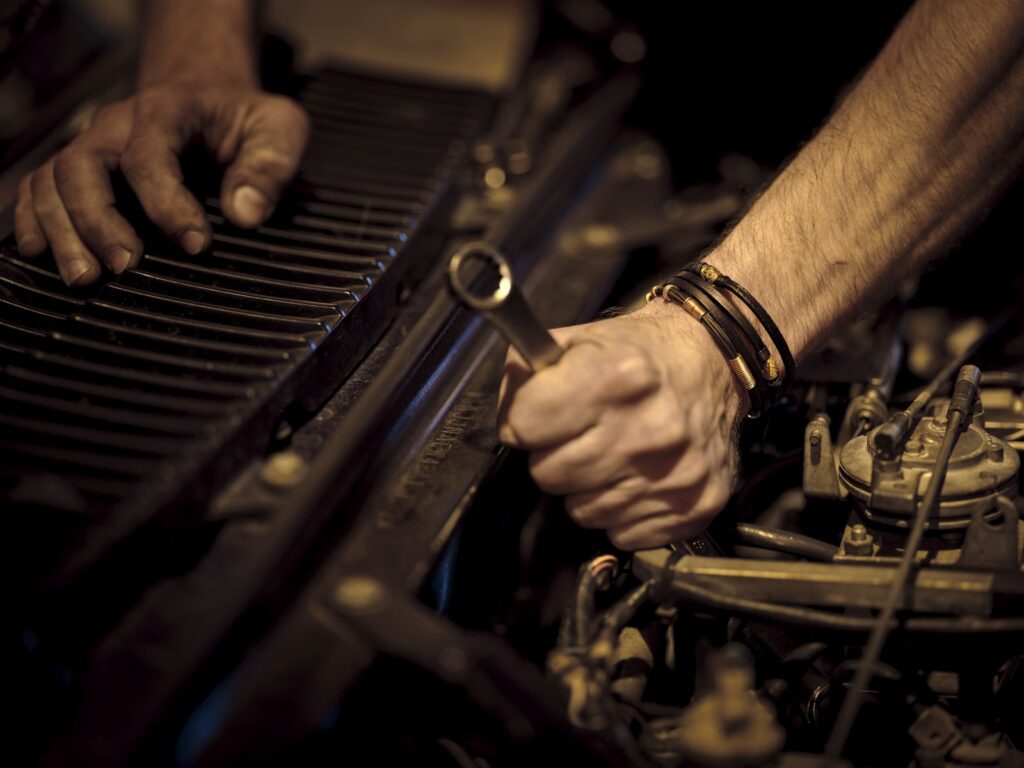
A rebuild means removing the unit, stripping it down completely and inspecting every part for wear. Damaged or badly worn parts are replaced, typically wear items such as seals, bearings and similar components. Because everything has been checked, you know the condition of the whole unit, which extends its life and reduces the amount of scrap created.
On modern vehicles a rebuilt original also keeps compatibility with existing electronics, where a new unit might need further work to run properly. On a classic car, originality matters to buyers, and keeping the original parts preserves it.