

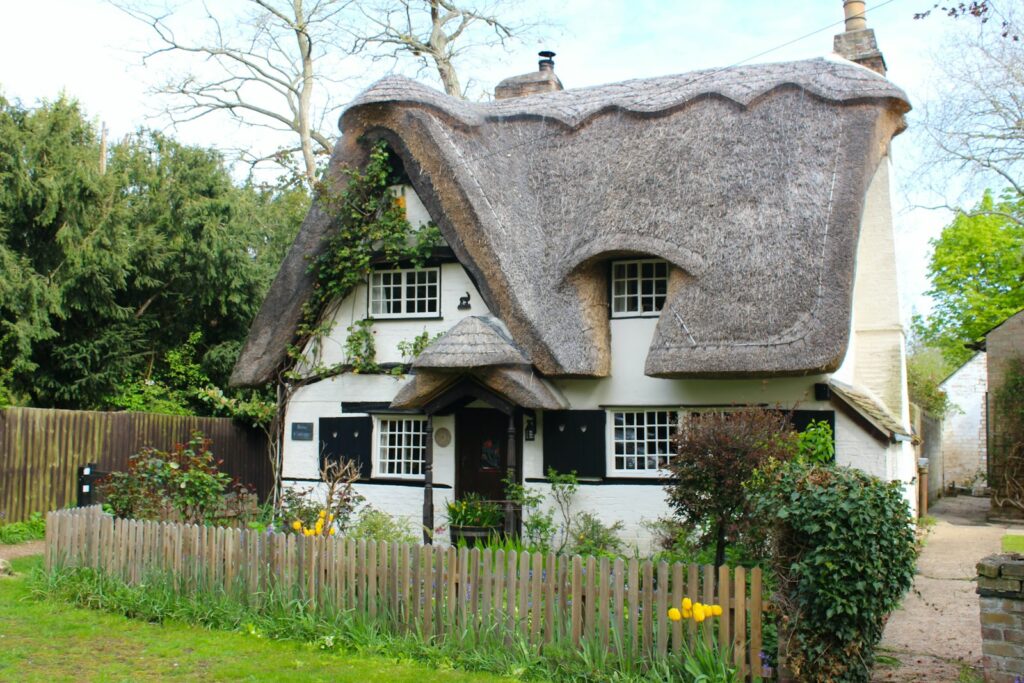
Living in a listed building is something that many people do or want to do – buildings that are listed have so much character and history and this is something that is just not the case in more modern homes. Whether a thatched cottage in the country, a splendid Georgian town house or a Tudor home with its striking black and white colouring and timber beams, when you own a listed building, you are also agreeing to take care of the property and its history for future generations. This means that there is much more responsibility when you own a listed property, and doing maintenance is not as straightforward as it is with a modern home.
A listed building is recognised by historic England for architectural reasons or being of special interest. This means that there are some changes that you need to get consent for from your local planning department, that you may not have to when you live in a more modern property. Generally, these rules are in place to protect the character and structure on the property, both inside and out.
Doors and windows are one common thing that you may need to get this permission to change. Of course, over time doors and windows need to be replaced as they become worn and weathered. It is also important that they function properly and have modern security features. When you replace them, they need to be closely matching the original appearance – you can get help and advice on what this means if you are not sure.
Something else that can be a common problem in older homes is the electrics. Listed buildings often require a full rewire to meet safety standards – this is a big job that needs to be done by a professional like this electrician Cheltenham based company www.blu-fish.co.uk/electrical-services-cheltenham/ If the work involves making visible changes to the property, such as cutting into walls, it is best to seek advice beforehand.
This also applies to work like plumbing and upgrading the insulation of the property – it is not that you cannot do these things, they just need to be carried out whilst bearing in mind that the character of the property should be preserved.
Is your home listed, and when consent applies
The UK has over half a million listed buildings and around a million more in conservation areas, and most of them are private homes. As a general rule, buildings constructed before 1700 are listed, as are most built between 1700 and 1840 and some from 1840 to 1914 that remain close to their original condition. After 1914, only outstanding buildings are listed, and listing anything under 30 years old is very rare. Official records can be incomplete, so check carefully.
Consent is needed for any change that alters the character of the building or reduces its historic interest, such as enlarging small Tudor windows. These rules apply inside the home too, even if it is never open to the public.
Choose an architect with real listed building experience, as costs are hard to estimate and overruns are common. Older materials release a lot of dust, so contractors need the right training and equipment. Insuring the building during work is usually the owner’s job, and premiums can be higher than expected.